Source Soft Phthalate Free Stress Toy for Promotions and Gifts
Compare 30 listings for soft phthalate free stress toy options including silicone O-rings and PU foam balls. Evaluate customization, materials, and MOQs to find suitable promotional items and sensory aids for various applications; compare the available evidence and request quotations based on your requirements.
Key considerations
Products List






Comprehensive Sourcing Guide
Soft Phthalate Free Stress Toy Sourcing Guide
Procurement of soft phthalate-free stress toys requires distinguishing between durable industrial seals and consumer-grade sensory items, as the supply chain often blends these categories. Buyers must verify that the specific product intended for human interaction, such as fidget toys or stress balls, explicitly lists phthalate-free materials like silicone rubber or PU foam rather than generic industrial compounds. The observed market data indicates a wide range of product types, from O-rings and shaft seals to slow-rebound cubes, necessitating a strict filter to isolate items designed for recreational or therapeutic use.
When evaluating listings, the primary decision point involves confirming the material composition and intended usage to ensure safety compliance. While some entries describe products with features like "stress relief" and "slow rebound," others focus on industrial applications like compression molding or shaft sealing. Sourcing teams must prioritize items explicitly labeled with consumer safety certifications and material declarations, ensuring that the "soft" attribute aligns with the tactile requirements of the end-user rather than the structural needs of machinery.
Product Scope and Observed Listing Signals
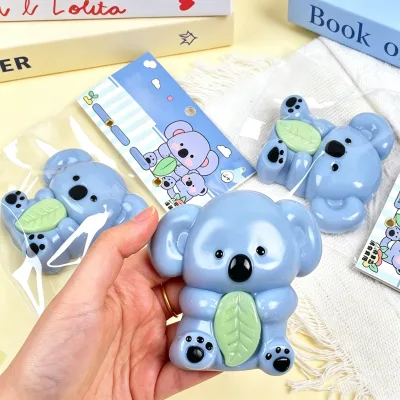
The current market presents a diverse array of stress relief products, ranging from simple foam balls to complex sensory cubes filled with maltose or slow-rebound materials. Buyers should expect to encounter variations in shape, including O-rings, cubes, and custom forms, with colors often available in blue, purple, or pink, sometimes requiring a minimum order quantity for custom shades. The observed product models and descriptions highlight a mix of promotional toys and functional items, where the "soft" characteristic is achieved through materials like TPR or PU, which must be verified against the specific phthalate-free requirement.
Listing signals often include specific packaging details, such as PP bags, carton boxes, or poly bags, which can indicate the intended market segment and handling requirements. Some products are marketed with features like "easy play" or "sensory fidget toy" capabilities, while others emphasize durability or stress relief properties. Procurement teams must carefully parse these descriptions to ensure the selected item matches the functional need, as the same supplier may offer both industrial seals and consumer fidget toys under similar model numbers.
Technical Specifications to Verify
Technical verification begins with confirming the hardness and material composition, as these factors directly influence the tactile experience and safety profile of the stress toy. Buyers should look for explicit declarations of Shore hardness, such as 70 Shore, and material types like silicone rubber or PU foam, which are commonly associated with soft, non-toxic applications. The standard dimensions and shapes, ranging from small 1x1x1cm packages to larger 40cm items, must be cross-referenced with the intended use case to ensure the product provides the correct level of resistance and sensory feedback.
Dimensional consistency and packing standards are critical for logistics and inventory management, particularly when dealing with custom orders or bulk shipments. Specifications such as "62.22cm" or "Cube Shape" provide a baseline for quality control, but buyers must also verify if the product meets custom requirements for size and shape. The presence of features like "slow rebound" or "maltose filled" cores requires specific manufacturing controls to maintain performance over time, ensuring the toy retains its softness and structural integrity throughout its lifecycle.
Compliance and Safety Documentation
Safety compliance is paramount when sourcing soft toys intended for children or general consumer use, requiring verification of certifications like FDA, RoHS, and ISO9001. While some listings mention certifications such as ENCE or ISO14001, buyers must ensure these apply specifically to the phthalate-free claim and the intended age range, which is often noted as suitable for ages 6 and up. The absence of explicit phthalate testing data in some descriptions necessitates a direct request for third-party test reports to confirm the absence of harmful plasticizers in the silicone or foam materials.
Documentation should also address the specific standards applicable to the product's market, such as ASTM F963 or EN71, even if these are not explicitly listed in every product entry. Buyers must treat observed certifications as starting points for verification rather than guarantees, requesting updated test certificates that specifically cover the phthalate content of the final product. This due diligence is essential to mitigate liability and ensure that the stress toys meet the regulatory requirements of the destination market, particularly regarding chemical safety and material purity.
Cost Drivers and Commercial Terms
Cost structures for soft phthalate-free stress toys are heavily influenced by material selection, customization levels, and order volume, with observed minimum order quantities ranging from 10 to 3000 units. Buyers should anticipate that custom colors, logos, or specific shapes often trigger higher MOQs, such as 500 pieces for custom shades, which can significantly impact the unit price and overall budget. The pricing range observed in the market, spanning from $0.2 to $5, reflects the variability in material quality, packaging complexity, and the degree of customization required for the specific order.
Commercial terms regarding packaging and shipping also play a crucial role in the total landed cost, with options ranging from simple poly bags to complex carton boxes or sea/air freight arrangements. Suppliers may offer flexible packaging solutions based on customer requests, but these customizations can add to the per-unit cost and lead time. Procurement teams must balance the desire for premium packaging and branding with the economic constraints of the order, ensuring that the chosen terms align with the project's financial goals and logistical capabilities.
Supplier Qualification and Quality Control
Supplier qualification for this category requires a thorough assessment of their manufacturing capabilities, particularly their ability to handle soft materials like silicone and PU without introducing contaminants. Buyers should verify that the supplier has a proven track record in producing stress toys with consistent quality, as evidenced by their adherence to standards like ISO9001 and their ability to provide custom molds for compression or other production methods. The presence of OEM/ODM acceptance indicates flexibility, but it is essential to confirm that the supplier maintains strict quality control protocols to prevent cross-contamination with phthalates.
Quality control processes must extend beyond the final product to include raw material verification and in-process inspections, ensuring that the "soft" and "phthalate-free" attributes are maintained throughout production. Buyers should request detailed quality assurance plans that cover material sourcing, production monitoring, and final testing, particularly for items intended for children or sensitive applications. Establishing a clear communication channel for quality issues and defining acceptable defect rates is critical to maintaining product integrity and ensuring that the supplier can consistently deliver on the specified requirements.
Long-Term Procurement Checks
Establishing a long-term procurement strategy involves regular audits of supplier performance and ongoing verification of material safety to ensure continued compliance with phthalate-free standards. Buyers should implement a schedule for periodic re-testing of products, especially when there are changes in raw material suppliers or production locations, to confirm that the safety profile remains consistent over time. This proactive approach helps mitigate the risk of regulatory non-compliance and ensures that the stress toys continue to meet the evolving safety expectations of the market.
Relationship management with suppliers should also include a review of their capacity to scale production and adapt to changing market demands, such as new color trends or updated safety regulations. Buyers must maintain open dialogue regarding lead times, inventory levels, and potential supply chain disruptions to ensure a steady flow of high-quality products. By fostering a collaborative partnership based on transparency and shared quality goals, procurement teams can secure a reliable supply of soft phthalate-free stress toys that meet both functional and safety requirements for the long term.
FAQs
How can I verify a soft phthalate free stress toy is genuinely phthalate free?
Request material safety documentation from the supplier, including test reports covering phthalate content for the specific material used, such as silicone rubber or PU foam. Ask which formulation is applied to the slow-rebound core and any maltose filling. Reputable suppliers holding certifications like FDA, RoHS, ISO9001, and ISO14001 can usually provide compliance paperwork for review before you place a trial order.
What materials are typically used for soft phthalate free stress toys?
Common materials include silicone rubber and PU foam, both of which can be produced without phthalate plasticizers. Some designs use a TPR shell filled with maltose for a slow-rebound squeeze effect. Always confirm the exact compound for the outer skin and any inner filling, and ask for material declarations so the final toy matches your phthalate free requirement.
What is the typical MOQ for custom soft phthalate free stress toys?
Listed products show MOQs ranging from as low as 10 pieces up to 3000 pieces depending on the model. Stock colors often carry a lower minimum, while custom colors may require around 500 pieces per design. Before ordering, confirm the minimum for your chosen model, size, and color combination, since customization level directly affects the MOQ the factory applies.
Can I get custom logos and colors on soft phthalate free stress toys?
Yes, customization is widely available. Suppliers offer custom logo printing and custom colors, with some noting that non-stock colors such as purple, pink, or blue beyond standard options require a minimum of 500 pieces. Provide your artwork or Pantone reference when requesting a quotation, and confirm whether logo setup fees apply and how the printed logo withstands repeated squeezing.
Which age range and safety points apply to soft phthalate free stress toys?
These toys are generally suitable for ages 6 and up, so confirm the recommended age marking before importing. Ask whether the model has been tested against applicable toy safety requirements and request documentation for materials like silicone rubber, PU, or TPR. Check that any filling is securely sealed, and verify packaging details such as poly bag warnings for markets that regulate plastic film around toys.
How are soft phthalate free stress toys packed for shipping?
Packing varies by product: options include individual OPP or PP bags with multiple pieces combined per poly bag, then packed into cartons for transport. One listed item packs 10 pieces into a single poly bag, while others ship in plain carton boxes. Shipping can be arranged by sea, air, or express according to your request, so confirm carton dimensions and single gross weight for freight costing.
Which certifications should I ask suppliers of phthalate free stress toys to provide?
Relevant certifications include FDA and RoHS compliance plus ISO9001 and ISO14001 quality and environmental management systems, all of which appear among listed product credentials. Some products also carry ENCE certification. Always request certificates that match the exact model and production batch rather than generic company documents, and ask when the certificates were issued and which laboratory performed any material testing.